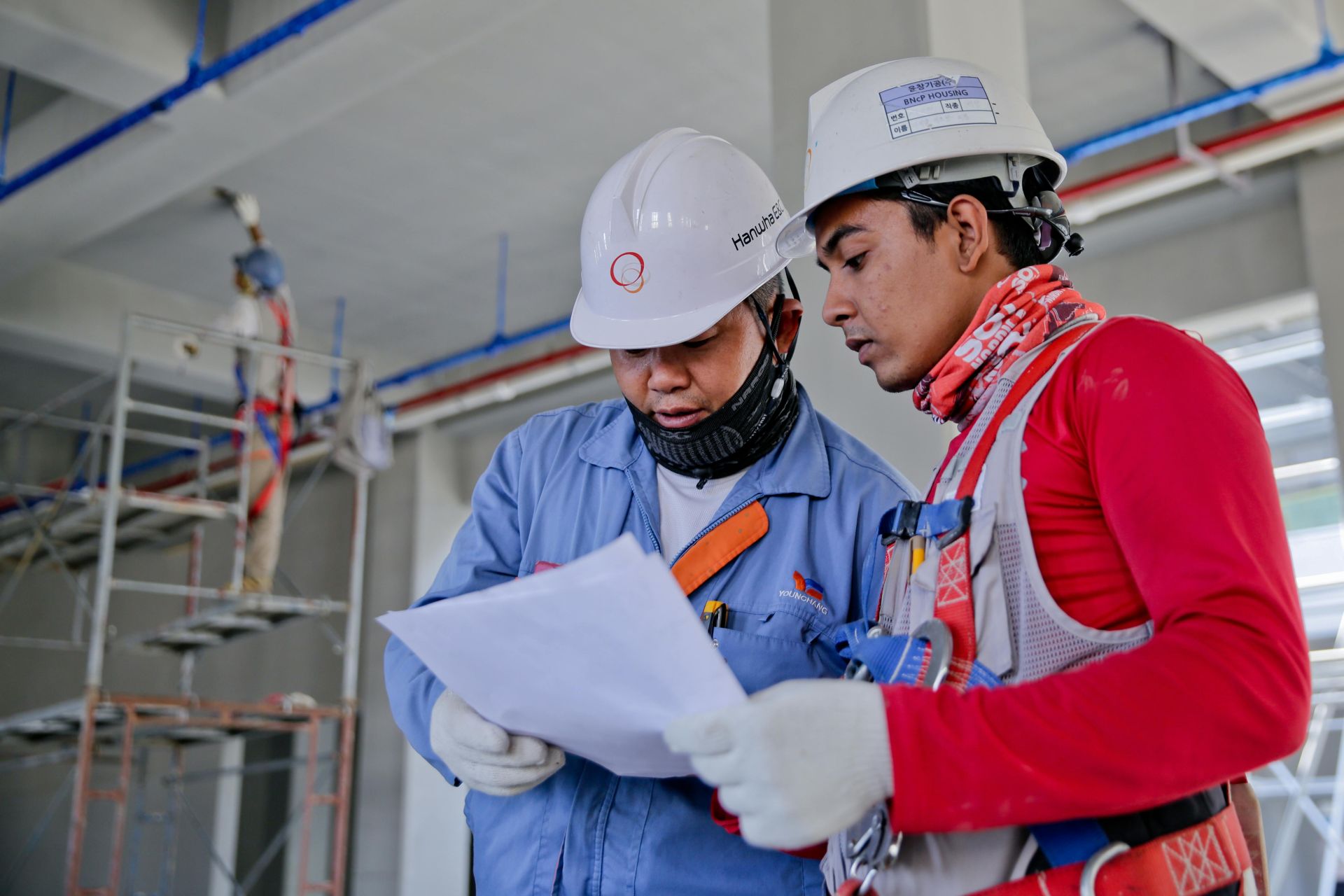
Every hospital construction project takes place in one of the most sensitive environments imaginable. A single containment breach, dust leak, or plumbing change can expose patients to pathogens that thrive in disturbed air and water systems. Studies have traced outbreaks of Aspergillus and Legionella to construction activity inside hospitals, leading to serious infection risks and costly project shutdowns.
This is why most hospitals now require construction teams to follow the Infection Control Risk Assessment (ICRA) process. ICRA is a standardized method used to identify and control potential infection hazards before and during construction, renovation, or maintenance work in healthcare facilities. According to the CDC’s Guidelines for Environmental Infection Control in Health-Care Facilities, proper containment, air handling, and water management are essential to preventing infection risks during healthcare construction.
In the sections that follow, we will outline what project managers need to know about hospital construction ICRA: how to design and document a compliant plan, manage containment and airflow systems, and train teams to meet Joint Commission and CDC standards. The aim is to make infection prevention a proactive part of project execution rather than a late-stage correction.
Hospital construction takes place in occupied environments where patients are highly vulnerable to airborne and waterborne pathogens. Even seemingly simple work like drilling, cutting, or debris removal can release contaminants that put those patients at risk.
ICRA hospital construction standards were established to prevent these incidents through structured planning and continuous oversight. The American Society for Health Care Engineering (ASHE) developed and maintains the ICRA 2.0 framework that guides this process. These standards are now part of accreditation expectations from the Joint Commission and the Centers for Medicare & Medicaid Services (CMS), requiring construction teams to integrate infection control into every project phase.
By implementing ICRA practices early, project managers protect both patient safety and project schedules and budgets. A proactive approach is a win-win-win for hospital construction companies, hospitals, and patients, minimizing shutdowns, building trust with hospital leadership, and ensuring that compliance becomes a built-in part of daily operations rather than an emergency correction later.
Before any hospital construction work begins, the project team must complete an Infection Control Risk Assessment (ICRA) to determine how the project could impact patient areas and what containment level is needed. This assessment should be conducted jointly by the project manager, the hospital’s infection preventionist, and facility management to ensure that construction and clinical operations stay aligned.
The assessment results drive the hospital construction plan, which outlines specific protection measures. These include barrier layouts, negative air machine placement, HEPA filtration details, pressure monitoring methods, debris removal routes, and cleaning protocols. Each element should reflect the ICRA class assigned to the project, ensuring the right level of precaution for the nearby patient population.
A strong plan is not only a compliance requirement but also a communication tool. It clarifies responsibilities between the construction team and hospital staff, establishes who maintains daily logs, and sets expectations for inspections. When documented correctly, the plan becomes a living reference that keeps infection control integrated throughout the project timeline.

In hospital construction, infection control management is an active process that extends from project planning to post-construction clearance. Once the ICRA plan is approved, project managers must ensure all precautions are implemented consistently and verified throughout the job.
A typical hospital construction infection control process includes:
- Coordinating schedules and access points with the hospital’s infection prevention and facility teams before work begins
- Installing and maintaining negative air machines with HEPA filtration
- Logging daily air pressure readings and barrier inspections
- Cleaning and sealing construction zones before turnover
- Submitting inspection reports and air quality verification for final clearance
ASHE recommends daily documentation of air pressure, barrier integrity, and cleanliness to maintain compliance and protect project continuity.
Specific procedures and verification requirements may vary by facility, depending on the project’s ICRA class and the hospital’s internal infection control policies. In all cases, construction teams should follow the approved ICRA plan and maintain complete records for survey readiness.
Missing or incomplete documentation can delay occupancy approvals or lead to corrective actions. Treating inspection logs and pressure reports as project deliverables helps prevent Joint Commission survey findings.
In hospital construction, containment is the frontline defense against infection spread. Dust containment walls and air systems work together to isolate construction zones from patient care areas, maintaining negative pressure so contaminants stay sealed inside the work zone.
Key elements of a compliant containment setup include:
- Floor-to-deck barriers: Temporary walls must extend from the finished floor to the structural deck above, with sealed edges to prevent dust leaks.
- Negative air machines with HEPA filtration: Units must pull sufficient air volume to maintain a minimum of –0.02 inches water column (WC) differential, exhausting filtered air outside the facility when possible.
- Air pressure monitoring: Manometers or digital sensors should continuously track pressure and trigger alerts when levels fluctuate.
- Dust-tight entry systems: Self-closing doors or zipper flaps help maintain negative air balance while allowing access.
According to ASHE and the CDC, these systems must run 24/7 during active construction, with filters inspected and replaced regularly. Daily documentation of air pressure readings and barrier integrity is essential for Joint Commission and CMS survey compliance.
When designed and maintained properly, a well-sealed containment system not only prevents infection risks but also reduces project downtime by keeping work zones in continuous operation.
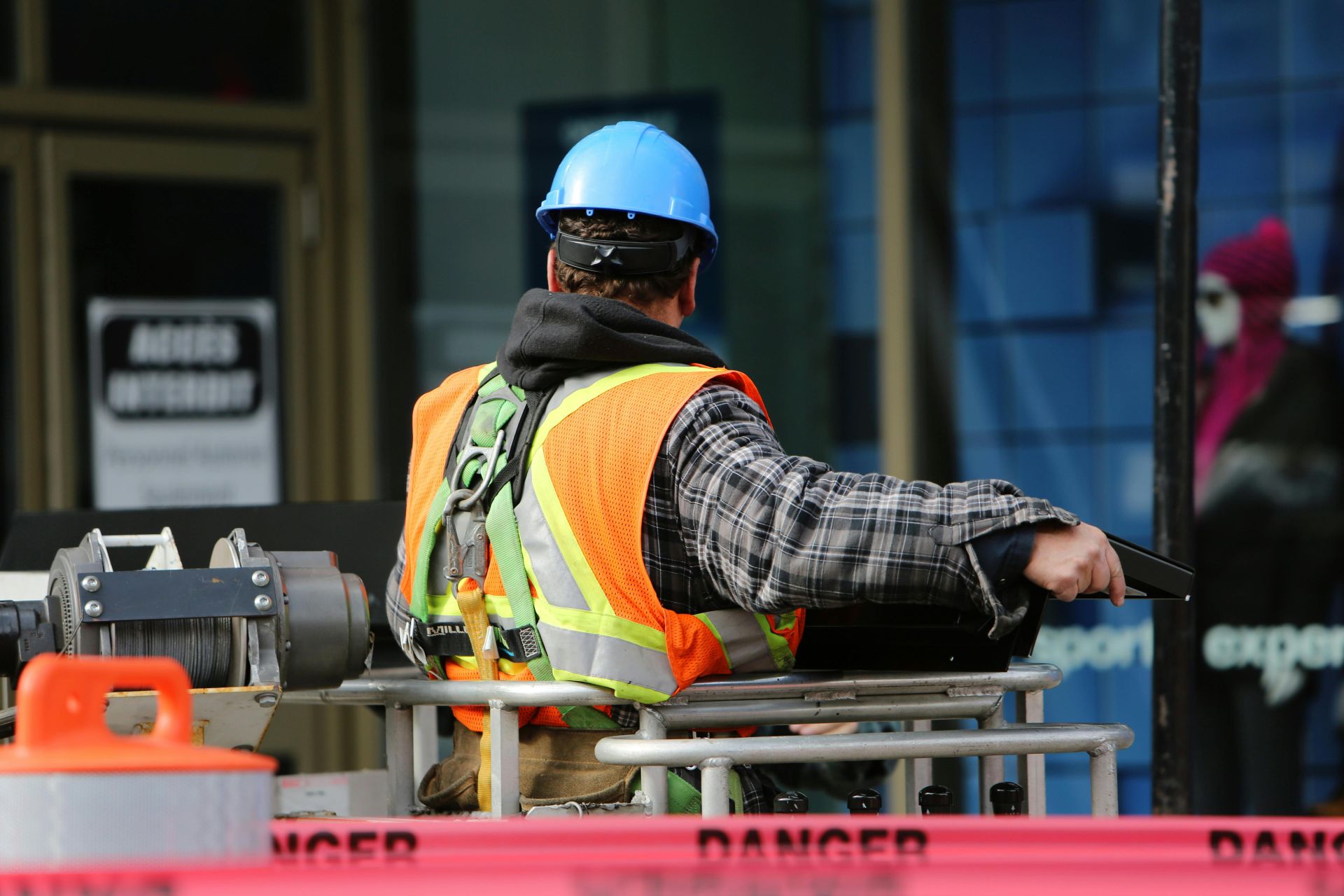
Water management is just as important as air control during hospital construction. When plumbing systems are disturbed or new lines are connected, water stagnation and pressure changes can create ideal conditions for Legionella and other waterborne pathogens to grow.
Effective infection control requires a Water Management during Construction (WMC-ICRA) approach that complements the air containment plan. Key elements include:
- Flushing and disinfecting new or modified plumbing lines before occupancy.
- Maintaining temperature and chlorine levels within CDC-recommended ranges.
- Preventing stagnation by scheduling routine flow in seldom-used outlets.
- Testing water systems for Legionella when indicated by the facility’s infection prevention team.
- Coordinating shutdowns with facility engineers to avoid pressure surges that dislodge biofilm.
Air and water safety are interconnected. Negative air pressure systems can influence humidity, while aerosolized water droplets can carry pathogens if air handling is disrupted. Integrating both systems into one infection control plan ensures a comprehensive defense against cross-contamination throughout construction and commissioning.
Documentation is the foundation of compliance in hospital construction management. Every infection control measure—from barrier installation to air testing—must be traceable through clear, organized records. These files serve as proof of adherence to Joint Commission, CMS, and ASHE ICRA 2.0 requirements, and they can determine whether a project passes inspection or faces costly delays.
Essential records for hospital construction certification include:
- ICRA permit: Confirms project classification, precautions, and containment standards established during risk assessment.
- Daily pressure logs: Demonstrate continuous monitoring of negative air systems and adherence to –0.02 WC or greater differential.
- Inspection reports: Verify barrier integrity, housekeeping standards, and adherence to infection control procedures.
- HEPA and airflow testing records: Confirm filtration effectiveness, exhaust locations, and air balance performance.
- Debris routing and cleaning logs: Track safe removal of dust and materials from containment zones.
- Final clearance documentation: Provides proof of inspection by the hospital’s infection preventionist before turnover.
Maintaining these documents not only ensures survey readiness but also supports transparent communication with hospital leadership. Many facilities now require electronic documentation platforms or daily digital sign-offs to streamline audits.
Project managers who complete ICRA certification for construction learn how to structure documentation that meets both regulatory and hospital-specific standards. This preparation often prevents shutdowns during final inspections and demonstrates that infection prevention was built into the project from day one.

Even the best-laid hospital construction plan will falter without trained crews who know how to comply in healthcare settings. Mistakes with containment setup, air pressure monitoring, or dusty transitions can lead to patient risk, shutdowns, or failed surveys.
At HigginsEDU we offer two tailored training programs to suit different team roles:
- ICRA-IQ – Designed for project managers, infection preventionists, and healthcare facility leaders who oversee hospital construction projects and need to understand design, monitoring and documentation of containment systems.
- ICRA Essentials for Construction in Healthcare – Focused on field workers, trades, supervisors and crews who work inside containment zones and must follow protocols, maintain barriers, and support daily infection control requirements.
By ensuring everyone on the team—from superintendent to frontline worker—is aligned, you reduce risk, support hospital partners, and move projects forward with confidence.
Get certified. Build safer. Explore our ICRA training programs.

Hospital construction requirements include maintaining negative air pressure, using floor-to-deck dust barriers, and following ICRA 2.0 precautions based on the project’s risk class. Hospitals and contractors must also keep daily air pressure logs, HEPA filter records, and cleaning documentation to comply with Joint Commission and CMS standards. (See
CDC Environmental Infection Control Guidelines)
ICRA, or Infection Control Risk Assessment, is a structured process used in hospital construction to identify and control infection risks before, during, and after work in healthcare facilities. It defines the level of containment, air management, and cleaning required to protect patients and staff. Learn more in our guide on
ICRA certification for construction.
Dust containment walls isolate construction areas from patient care zones. Barriers extend from floor to structural deck and are sealed along all edges. Combined with negative air machines and HEPA filtration, they keep airborne particles from escaping into occupied hospital spaces.
During hospital construction, work zones must maintain a continuous negative air pressure of at least –0.02 inches water column (WC). HEPA filtration must operate 24/7 with filters inspected and replaced as needed. Continuous pressure monitoring helps prevent system failure and survey findings.
Hospital infection control plans are enforced by the facility’s infection prevention department and verified by regulatory bodies such as the Joint Commission and the Centers for Medicare & Medicaid Services (CMS). Many hospitals also use ASHE’s ICRA 2.0 toolkit to guide enforcement and documentation.
ICRA training builds shared understanding between project managers, trades, and hospital staff. Certified teams work faster, pass inspections more easily, and demonstrate a commitment to patient safety and regulatory compliance. This preparation helps prevent costly delays or shutdowns.
Failure to follow ICRA requirements can lead to contamination, infection outbreaks, or loss of accreditation for the healthcare facility. Construction projects may be stopped, crews removed, or hospitals fined. Consistent ICRA compliance protects patients, workers, and the project schedule.
Still have questions about ICRA compliance or hospital construction training? Contact our team for expert guidance.